
Growth through flexible routines
🎯 ✨
Do you have routines? What do you think about them? Are they a pleasure or more of a necessary evil?
Routines exist and are needed in our personal lives, at work, and in our free time. In professional life, routines are often linked to productivity, quality assurance, and risk mitigation. Free-time routines might involve things like household chores.
Constant routines have both advantages and disadvantages. Let’s start with the benefits – what are the advantages of routines?
Increased efficiency – Repetition helps refine processes, allowing tasks to be completed faster and more smoothly.
Skill development – Regular practice leads to proficiency. See my previous blog post on skill development – practice makes perfect!
Reduced decision fatigue – An established routine eliminates the need to make constant choices, saving mental energy.
Improved consistency – Habits formed through repetition lead to reliable results and productivity.
Lower stress levels – Knowing what to expect each day can reduce anxiety and create stability.
Easier goal achievement – Routine behaviour supports long-term progress, making it easier to reach your goals.
During a change management project, we discussed new ways of working and the feedback regarding them. One participant raised a great point: routines allow you to put your thinking on "autopilot" – you just get to work and execute. That way, you get things done and can move forward.
However, repetitive routines performed too monotonically or as a "chore" can also have downsides:
Risk of burnout – Repeating the same tasks without variety can become mentally and physically exhausting.
Lack of creativity – Predictability can limit opportunities for new ideas and innovation.
Resistance to change – Rigid routines can make it harder to adapt to unexpected challenges.
Potential for monotony – Repetition can become boring, which reduces motivation over time.
Overlooking better methods – Sticking to a routine can prevent the exploration of more efficient or superior techniques.
Physical or mental strain – In physically demanding work (such as installation work), repetition can cause repetitive strain injuries.
A balanced approach is key.
In my experience, what helps when creating routines is building a framework or structure within which the routine is performed, while allowing some freedom in how the routine is actually executed. We can call these "flexible routines".
Flexible routines combine structure and adaptability, enabling both efficiency and creativity. Here are a few examples:
Starting the workday: Always start your day the same way, for example by checking emails and planning the day's tasks. However, leave room for flexibility so you can prioritise urgent matters or attend ad hoc meetings.
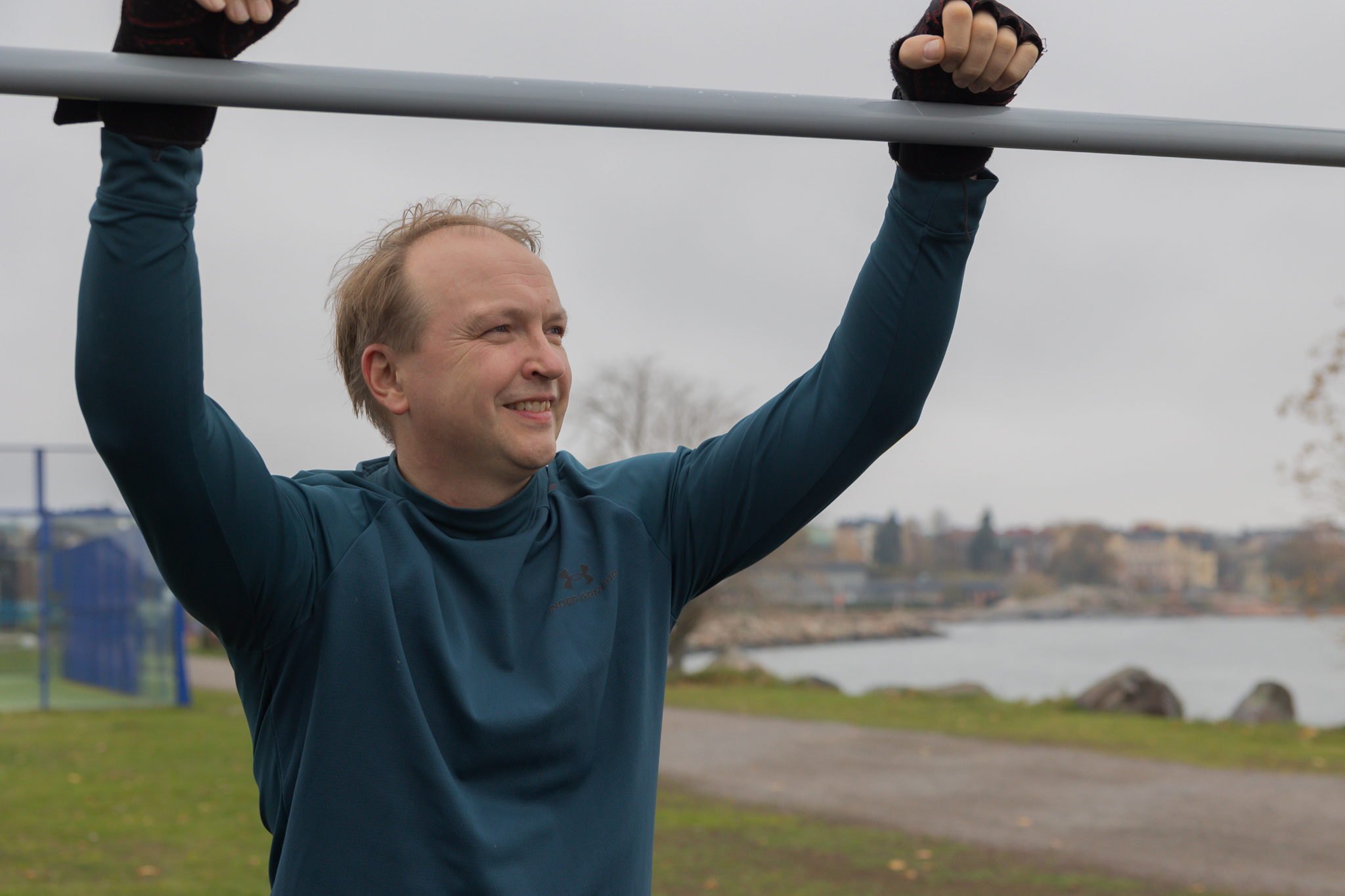
Exercise: Stick to a regular exercise schedule but vary the workouts. For example, you could do strength training on Mondays, yoga on Wednesdays, and go for a run on Fridays. This keeps training interesting and versatile.
Learning and development: Set aside time for daily or weekly learning, such as reading books or completing online courses. However, you can flexibly choose which topics to study depending on your interests and needs.
Meals: Stick to regular mealtimes but allow yourself flexibility in the content of the meals. You can, for example, plan the week's meals in advance but leave room for creativity and try new recipes.
Work methods: Use time management techniques, such as the Pomodoro Technique, where you work intensely for 25 minutes and then take a 5-minute break. However, you can flexibly decide which tasks to complete during each segment.
Free time: Set aside time for relaxation and hobbies, but don't lock yourself into a rigid schedule. You could, for example, decide to spend an hour a day reading but choose the book based on your mood.
Personally, I use flexible routines especially for my morning micro-workouts, which have remained a steady part of my weekday schedule for years. Only extremely rarely do I miss a morning micro-workout. I have certain focus areas in mind, and in principle, the workout is different every other day – also for the sake of recovery. In addition, I vary the content of each day's workout based on my recovery level and other urgent matters. But I do not give up the routine.
Sometimes, in creating and especially in maintaining routines, the way things are phrased (or "internal communication" in business terms 😊) can help. I remind myself of a good old piece of advice for household chores: "Don't go empty-handed" (bring something in, take something out). Similarly – again in a change management project – I have noticed that concretising things into mnemonics through familiar associations has been useful and helps in driving through change and renewal.
What thoughts does the topic of routines evoke in you?